Jeannica Font Review
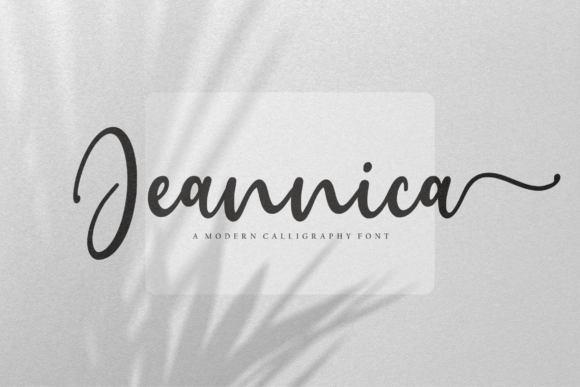
As a small business owner who spends hours designing custom labels and greeting cards, I was excited to test out Jeannica, a new modern script calligraphy typeface with its own unique flow and elegant personality. From the first moment I used it on a candle label mockup, I knew this font would bring a fresh, handcrafted feel to my shop.
Jeannica for Candle Labels and Handmade Packaging
Jeannica is a Script Handwritten font that shines when used on handmade product packaging. I tried it on a candle label with a rustic, farmhouse aesthetic, and the result was stunning. The soft curves and flowing lines gave the label a personal, artisanal touch that felt authentic. It paired beautifully with a simple sans serif font for the product description, creating a clean contrast that made the text easy to read without losing the elegance of the script.
For small stickers or product tags, I found that using Jeannica at 14pt or larger kept the details sharp and legible. It worked well on both digital printables and physical merchandise, adding a refined look that elevated the perceived quality of my products.
Jeannica for Wedding Invitations and Elegant Branding
When I tested Jeannica on a wedding invitation mockup, the font’s graceful strokes brought a timeless, romantic feel to the design. It worked especially well for names, titles, and short phrases, making it ideal for event invitations, thank-you cards, and wedding stationery. The font’s natural rhythm made it feel like it had been written by hand, which added a personal touch to each piece.
For branding purposes, I used Jeannica as part of a logo concept for a boutique floral shop. The font’s modern yet classic style helped create a brand identity that felt both sophisticated and approachable. It paired well with a bold display font for headings and a simple serif font for body text, ensuring the design remained professional while still having a creative edge.
Jeannica for Digital Printables and Printable Wall Art
Jeannica proved to be a versatile choice for digital printables. I designed a set of printable wall art pieces featuring seasonal quotes and motivational phrases. The font’s fluidity and charm made it perfect for decorative wording, and the included alternates and swashes allowed me to add subtle variations that kept the designs from looking repetitive.
When using Jeannica in digital templates, I found that keeping the text short and centered helped maintain visual balance. It worked well for planner pages, journaling prompts, and social media graphics, bringing a handwritten feel to otherwise digital content. For commercial use, I checked the licensing terms to ensure it was suitable for selling printables and digital downloads.
Jeannica for Boutique Tags and Seasonal Crafts
I also tested Jeannica on a set of holiday tags for a small gift shop. The font’s elegant personality made it ideal for festive messages, and the flowing lines added a sense of movement that felt lively and inviting. It worked well on both paper and fabric tags, giving each item a personalized touch that customers would notice.
For seasonal crafts like farmhouse signs or Christmas ornament labels, Jeannica added a warm, handmade quality that fit perfectly with the overall aesthetic. It didn’t overwhelm the design but instead complemented other elements, making the final product feel cohesive and intentional.
Jeannica for Product Packaging and Shop Branding
Using Jeannica on product packaging helped reinforce my brand’s identity. I applied it to tote bags, mugs, and shirt designs, and the font’s modern script style gave each item a distinctive look that stood out on the shelf. It worked particularly well for product names, taglines, and short promotional phrases, where readability and visual appeal were both important.
One thing to keep in mind is that Jeannica may not be the best choice for long paragraphs or dense label information. Its decorative nature makes it ideal for short, impactful text rather than detailed instructions or lengthy descriptions. However, when used appropriately, it can make a significant difference in how a product is perceived and presented.